How to Stop Unwanted Phone Calls for Good
 Dec, 2 2025
Ever feel like your phone is ringing nonstop - not with important calls, but with robocalls, sales pitches, and scams? You’re not alone. In 2025, Americans received over 120 billion unwanted calls, according to the FCC. That’s nearly 370 calls per person per year. Most of these aren’t just annoying - they’re dangerous. Scammers use spoofed numbers to trick you into giving up personal info, bank details, or even your Social Security number. The good news? You can stop most of them. It doesn’t require buying expensive apps or hiring a tech expert. Just a few smart, simple steps can cut your unwanted calls by 90% or more.
One thing people often overlook is how their own habits feed the problem. Signing up for free trials, entering contests online, or even donating to charities can land your number on lists sold to telemarketers. If you’ve ever searched for something like iranian escort dubai or any other niche service, your info likely got scraped and resold. Even if the site looked legit, your phone number was probably added to a database that gets shared across dozens of spam networks. The same thing happens with cheap travel deals, free gift cards, or ‘limited-time’ offers. Be ruthless about what you give out.
Set up your phone’s built-in blocking tools
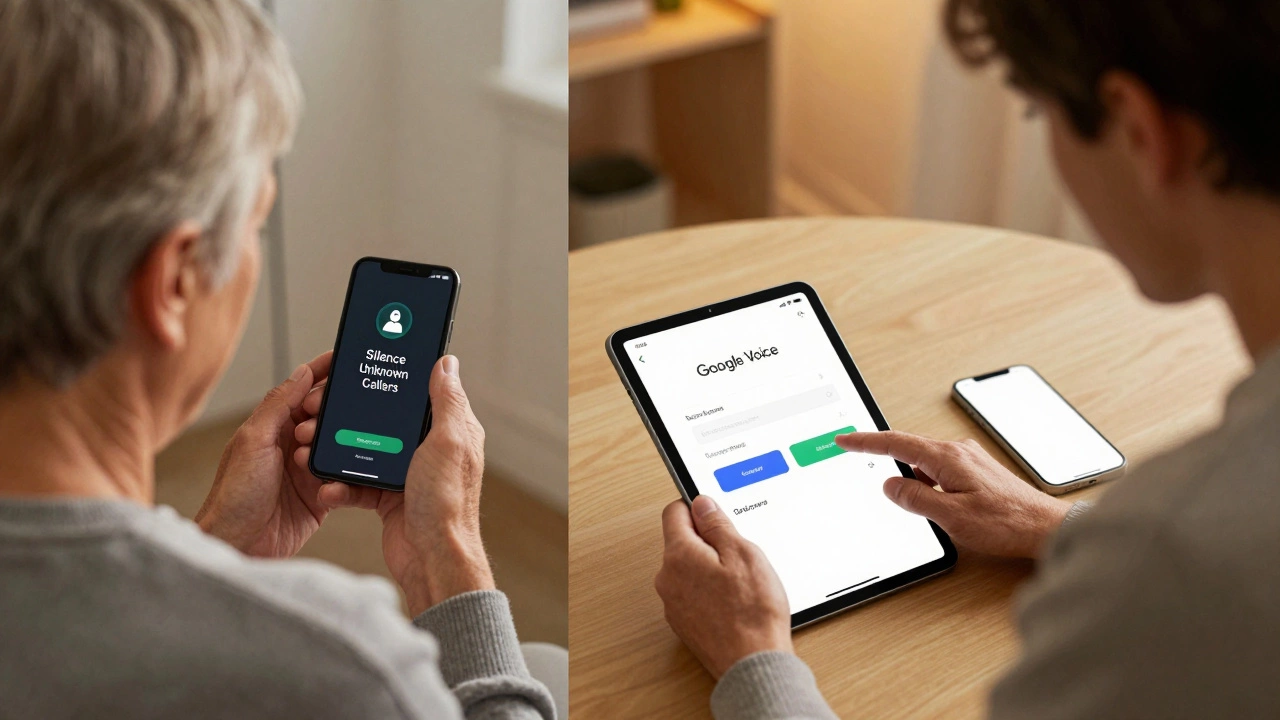
Most smartphones already have powerful call-filtering tools - you just need to turn them on. On an iPhone, go to Settings > Phone > Silence Unknown Callers. This sends all numbers not in your contacts straight to voicemail. You’ll still get voicemails from real people, but spam callers won’t interrupt your day. Android users can open the Phone app, tap the three dots, go to Settings > Spam and Call Screening, and turn on ‘Filter suspected spam calls.’ Google’s system uses machine learning to identify scam patterns and blocks them before they ring.
Don’t ignore the ‘Report spam’ button. Every time you mark a call as spam, it helps improve the system for everyone. Apple and Google collect millions of these reports daily to update their databases. The more you report, the faster the system learns. And if you get a call from a number that looks fake - like a 555 prefix or a weird area code - don’t answer. Let it go to voicemail. If it’s real, they’ll leave a message.
Register with the National Do Not Call Registry
The U.S. Federal Trade Commission runs the official Do Not Call Registry. It’s free, legal, and effective. Visit donotcall.gov and enter your landline and mobile numbers. Once registered, legitimate telemarketers have 31 days to stop calling you. It won’t stop every call - scammers don’t care about the law - but it will kill 70% of the sales pitches you get. You’ll still get calls from charities, political groups, and survey companies. Those are exempt. But if you start getting calls from companies selling insurance, timeshares, or credit repair, you can file a complaint directly on the site. Keep a record of the date, time, and number. The FTC uses those reports to track and shut down illegal operations.
Use third-party apps wisely
Apps like Hiya, Truecaller, and Nomorobo can help, but they’re not magic. They work by matching incoming numbers against public databases of known spam numbers. Some are free; others charge a monthly fee. The free versions usually work fine for most people. But here’s the catch: these apps need access to your call log and contact list to function. That’s a privacy trade-off. If you’re uncomfortable giving that access, stick with your phone’s built-in tools. Also, avoid apps that promise to “block all spam forever.” No app can do that. Scammers change numbers every few minutes. The best tools adapt over time, not ones that claim to have a permanent fix.
Don’t fall for the ‘press zero to speak to a rep’ trick
Robocalls often use fake menus to make you think you’re talking to a real person. They’ll say, “Press 1 to be removed from our list,” or “Say ‘stop’ to opt out.” Don’t do it. Pressing any button - even the pound key - tells the system your number is active. That’s a green light for more calls. The same goes for responding to voice prompts. If you say anything, even “hello,” your voice is recorded and added to a voiceprint database used to target you with personalized scams later. The only safe move? Hang up immediately. No talking. No pressing. Just end the call.
Block numbers manually - and block them again
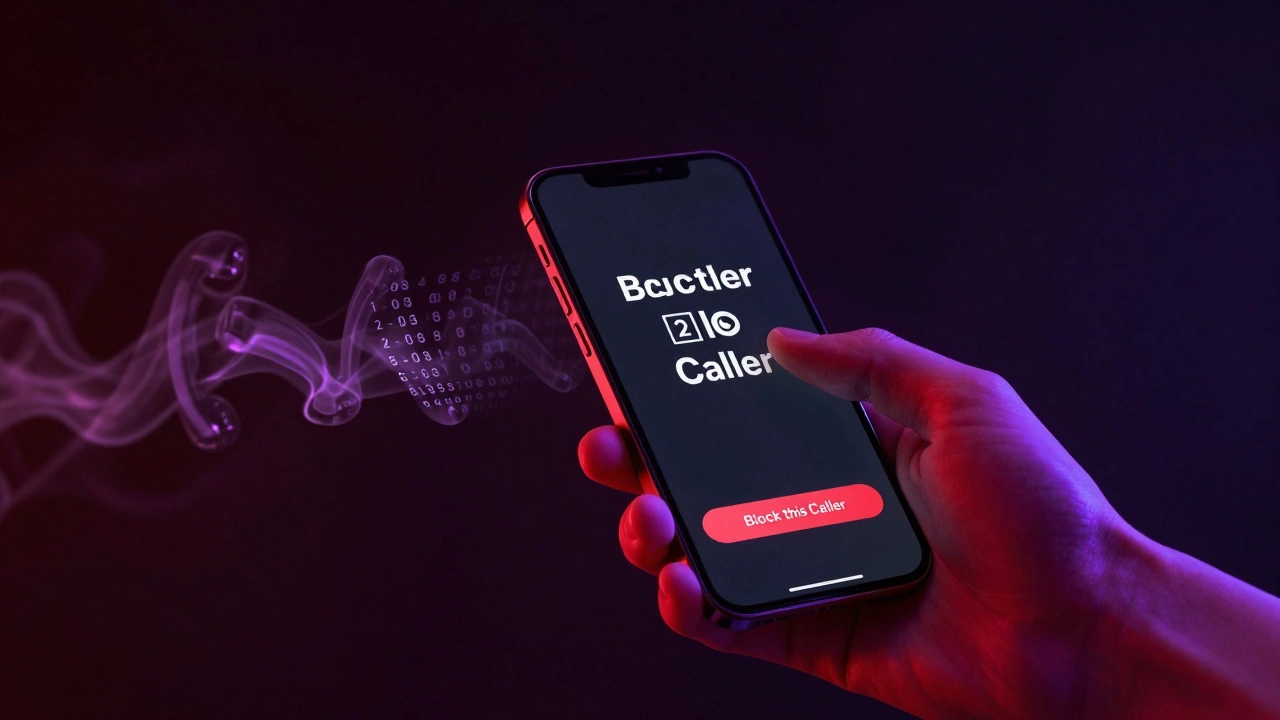
If a number keeps calling, block it. But don’t stop there. Scammers use hundreds of different numbers to reach you. If you block one, they’ll try another. That’s why you need to block each new number as it shows up. On an iPhone, open the Phone app, tap the Recents tab, swipe left on the number, and tap Block this Caller. On Android, tap the number, then tap Block/Report spam. Do this every time. It’s tedious, but it works. Over time, the system learns your patterns and starts auto-blocking similar numbers before they even ring.
Use a secondary number for online signups
When you need to give out a number for a delivery, app login, or online form, don’t use your main phone. Get a free Google Voice number. It’s free, works over Wi-Fi, and you can forward calls to your real phone or ignore them entirely. Use it for everything that asks for a number: food delivery, ride shares, subscription services, even online shopping. If that number starts getting flooded with spam, just delete it and get a new one. You’ll never miss a real call, and your main number stays clean. Many people don’t realize this trick - but those who do cut their spam calls by over 80%.
Teach your family how to spot scams
Older adults are the most targeted group. Scammers know seniors are more likely to trust a polite voice on the phone. They pretend to be from the IRS, Medicare, or even their grandchild’s school. Teach your parents or grandparents to never give out personal info over the phone. If someone says they’re from a government agency, tell them to send a letter. Real agencies don’t call to demand payment or threaten arrest. Also, set up call blocking on their phones. Most smartphones have easy-to-use settings. A 10-minute setup can save them hours of stress - and thousands of dollars.
What to do if you’ve already been scammed
If you gave out your credit card, Social Security number, or bank login, act fast. Call your bank or credit card company immediately and freeze the account. Then, report it to the FTC at reportfraud.ftc.gov. Next, place a fraud alert on your credit report through one of the three major bureaus - Equifax, Experian, or TransUnion. One call is enough; they’re required to notify the others. Consider freezing your credit entirely. It’s free and stops anyone from opening new accounts in your name. Finally, change all your passwords - especially for email, banking, and social media. Use a password manager to create strong, unique ones. Don’t reuse passwords. That’s how hackers break in.
And yes - if you’ve ever searched for something like dubai cheap escort or any other sensitive topic, your browsing history may have been tracked and sold to data brokers. That’s how your number ends up on spam lists. Be careful what you search for. Even if you delete your history, some sites store your IP address and phone number anyway. Use a private browser or VPN if you’re unsure.
Why your phone is still ringing - and what to try next
Even after doing all this, you might still get a few calls. That’s normal. Scammers are relentless. But if you’re still getting more than one or two spam calls a week, it’s time to dig deeper. Check your carrier’s website. Verizon, AT&T, and T-Mobile all offer free call-blocking tools beyond what your phone provides. Some let you block entire area codes or types of calls (like international or VoIP). You can also ask your provider to switch you to a new phone number. It’s free in most cases, and it resets your exposure. Just make sure to update your number with banks, employers, and anyone who needs to reach you.
And if you’re still getting calls from companies that claim to be from “customer service” or “survey research,” ask them for their physical address and license number. Legit companies will give it. Scammers will hang up. If they don’t, report them. Every report matters.
There’s one last trick that works surprisingly well: stop answering unknown numbers. Let them go to voicemail. Most real people will leave a message. Most scammers won’t. They rely on you picking up - and if you don’t, they move on to the next person. Your phone is a tool, not a target. Treat it that way.
And yes - if you’ve ever looked up something like dubai massage escort, your device may have been tagged by ad networks that sell your data to third parties. That’s how spam calls start. Clean your browser history, clear cookies, and consider using a privacy-focused browser like Brave or Firefox Focus. It won’t fix everything, but it cuts the pipeline.